
Gentle herbal detox for radiant skin
HERB MASK — a natural herbal mask for cleansing and skin renewal
HERB MASK is a creamy facial mask created using natural ingredients and plant extracts. It gently cleanses the skin, reduces dullness, restores comfort, and gives the face a fresh, well-groomed appearance without causing dryness or irritation.
The mask is suitable for regular use and is especially recommended for skin that needs gentle renewal and protection.
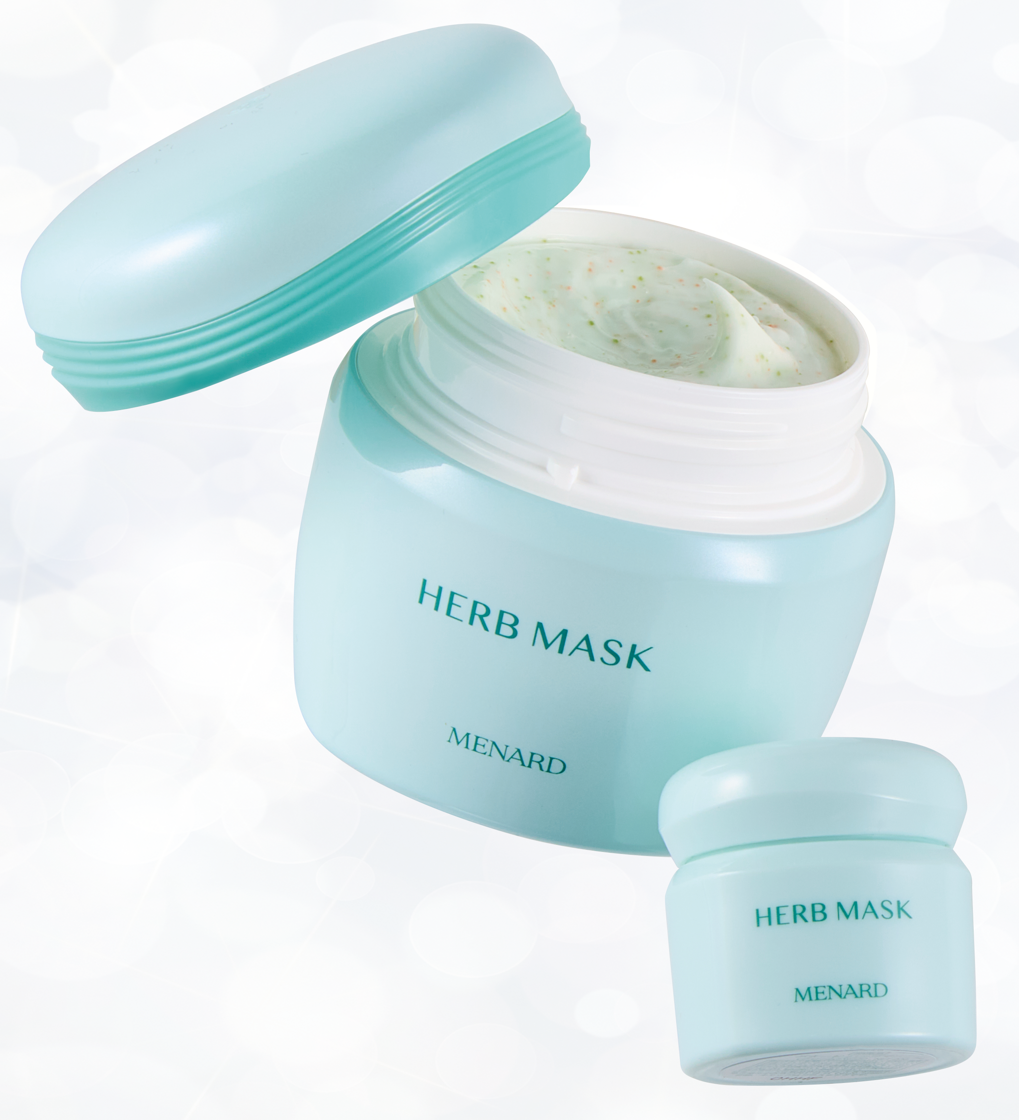 Gentle herbal detox for radiant skin
HERB MASK works as a delicate herbal detox. It helps remove impurities and dead skin cells that make the skin look rough and dull, while respecting the skin’s natural balance and avoiding irritation.
After use, the skin appears smoother, more even, and radiant, with a pleasant feeling of cleanliness and freshness.
Natural oils for comfort and skin protection
The mask is based on natural oils that:
- soften the skin’s surface;
- support the skin’s natural protective barrier;
- help retain moisture;
- protect against negative environmental factors.
Jojoba oil provides softness and elasticity, helps restore comfort, reduces the feeling of tightness, and supports a healthy, well-cared-for appearance of the skin.
Herbal complex for care and renewal
HERB MASK contains a carefully selected complex of plant extracts traditionally used in skincare:
- lemon balm soothes the skin and helps reduce irritation;
- chamomile softens the skin and maintains comfort;
- thyme is known for its cleansing properties;
- arnica supports improved microcirculation;
- raspberry and jujube are rich in natural antioxidants;
- rose tones the skin and enhances its appearance;
- barley seeds and royal jelly nourish and moisturize the skin.
This herbal blend helps the skin look fresher, more even, and well cared for.
Gentle renewal without an aggressive scrub
The mask contains soft plant-based granules that:
- spread easily over the skin;
- melt with the warmth of the skin;
- do not scratch or damage the surface;
- do not create harsh mechanical exfoliation.
They provide gentle skin renewal and give the mask a natural, herbal texture.
Who is HERB MASK suitable for
The mask is especially suitable for:
- dry and dehydrated skin;
- skin that has lost freshness and radiance;
- skin with a feeling of tightness;
- skin that requires gentle and comfortable care.
HERB MASK is created for those who prefer natural formulas and delicate skincare without aggressive treatments.
How to use
It is recommended to use the mask 2–3 times a week.
- Cleanse the skin and gently pat it dry with a towel.
- Apply a small amount of the mask, avoiding the eye area.
- Gently massage for about 30 seconds and leave on for 15 minutes.
- Rinse off with water or warm water.
Conclusion
HERB MASK is a natural herbal mask designed for gentle cleansing, skin renewal, and maintaining comfort. It does not overload the skin, does not cause dryness, and helps preserve the skin’s natural softness, smoothness, and radiance.
The better your skin looks, the better you feel — and HERB MASK helps maintain that feeling day after day.
The Japanese approach to Collagen
Japan is considered one of the global leaders in collagen research and anti-aging skincare. The Japanese approach focuses on prevention and gentle, consistent care.
Highly purified forms of marine collagen are used in cosmetics and are often combined with hyaluronic acid, vitamins, and moisturizing ingredients. This approach helps maintain healthy, well-cared-for skin over time.
Collagen for Facial Skin: Natural Beauty and Youthfulness
The skin is the largest organ of the human body, and its firmness, smoothness, and radiance directly depend on collagen levels. With age, the body’s natural collagen production slows down, leading to wrinkles, loss of firmness, and reduced elasticity. This is where collagen in facial creams becomes an essential part of daily skincare.
What Is Collagen and How It Works in Creams
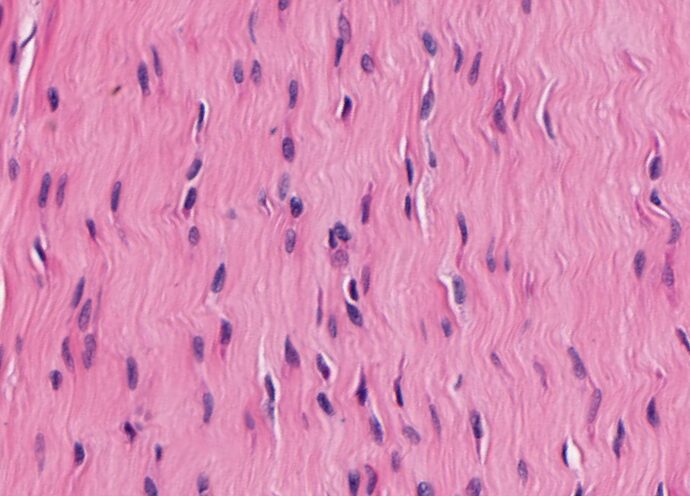
Collagen is a structural protein that forms the foundation of the skin, maintaining its density and elasticity. Over time, this natural “framework” weakens, and the skin begins to lose tone.
In cosmetics, hydrolyzed collagen is commonly used. This form has smaller molecules designed to interact effectively with the skin’s surface layers. A collagen cream:
- provides intensive hydration;
- reduces dryness and tightness;
- visually smooths fine lines;
- improves the overall appearance of the skin.
Types of Collagen Important for Facial Skin
The following types of collagen are especially important in facial skincare:
Type I Collagen
The primary collagen type in the skin, responsible for strength and structural support.
Type III Collagen
Helps maintain elasticity and supports a youthful-looking skin structure.
Marine Collagen
Known for its high bioavailability and good compatibility with the skin, widely used in modern cosmetic formulations.
Why a Collagen Cream Is More Than Just Moisturizing
Collagen in a cream works in multiple ways:
- forms a protective layer that helps retain moisture;
- improves skin texture;
- enhances comfort;
- leaves the skin smoother and more refined.
Regular use of a collagen cream as part of a complete skincare routine helps maintain healthy skin and slow the appearance of visible aging signs.
Collagen and Modern Technologies
Modern cosmetic formulas are based on scientific research and biotechnological advancements. To enhance effectiveness, they often include:
- hydrolyzed collagen;
- peptides that stimulate the skin’s natural renewal processes;
- biomimetic ingredients that mimic the skin’s structure.
These technologies allow the creation of creams that not only care for the skin but also support its natural protective functions.
How to Use a Collagen Cream
For optimal results, it is recommended to:
- apply the cream in the morning and evening;
- use it on cleansed and prepared skin;
- combine it with other skincare products;
- maintain regular use.
Conclusion
A collagen cream is an effective daily skincare product designed to hydrate the skin, improve texture, and maintain firmness. Modern technologies and carefully developed formulas make it possible to achieve visible cosmetic results and preserve a well-groomed, youthful appearance.
A DARUMA IS JAPANESE TRADITIONAL NEWYEAR'S HOLLOW DOLL
WHAT IS SPECIAL ABOUT THE DARUMA DOLL?
THE DARUMA DOLL IS USED AS A TOOL FOR ACHIEVING PERSONAL GOALS OR WISH-MAKING. JAPANESE PEOPLE BELIEVE, THAT RED COLOUR REPEL EVIL SPIRIT, THATS WHY USUALLY DOLL IS PAINTED RED.
THESE DOLLS ARE MODELED AFTER BODHIDHARMA, THE FOUNDER OF ZEN TRADITION OF BUDDISM.
WHAT IS A DARUMA MADE OF?
DARUMA ARE MADE OF PAPIER - MACHE, PORCELAIN, CERAMICS OR PLASTIC. THE EARLIEST MATERIALS WERE RUBBER AND CELLULOID.
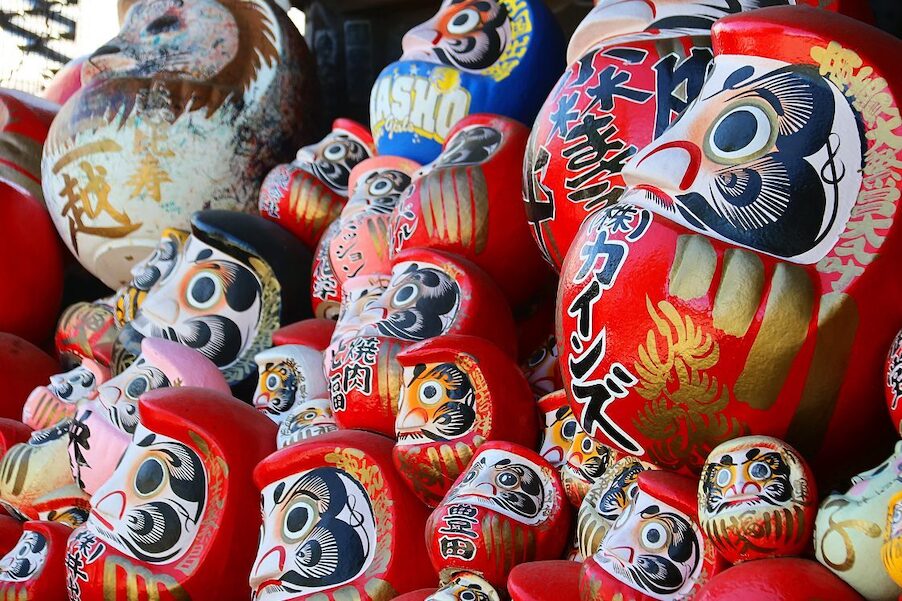
HOW ARE DARUMA DOLLS PAINTED?
THE DARUMA FACE IS PAINTED BY HAND BY CRAFTMAN AT LOCAL ATELIERS, USING A BRUSH.
IF YOU LOOK CLOSER, YOU'LL NOTICE DIFFERENCES BETWEEN THICKNESS OF EACH LINE.
THE DESIGN DEPENDS ON A REGION AND ARTIST.
HOW DO YOU MAKE A WISH OR SET A GOAL FOR THE NEW YEAR?
ONCE YOU HAVE BOUGHT THE DARUMA HOLLOW DOLL, YOU PAINT THE LEFT EYE AND MAKE YOUR WISH OR SET A GOAL.
TRADITIONALLY YOU CAN TAKE ONE DARUMA DOLL FOR YOUR WISH.
IF YOUR WISH COMES TRUE DURING THE NEW YEAR, YOU PAINT THE SECOND RIGHT EYE TO MARK YOUR SUCCESS.
IN ANY CASE, WHETHER YOUR WISH IS COMPLETED OR NOT, YOU MUST BURN THE DARUMA DOLL, THEN TAKE A NEW ONE AND START TO SET A NEW WISH OR CONTINUE ACHIEVING PREVIOUS ONE.
Kadomatsu
Pine at the Entrance: Japanese New Year Excellence!
A pine and a fir tree are two coniferous sisters that decorate the New Year from year to year.
In Japanese culture, the pine has a special meaning - longecity, good luck, resilience, harmony and renewal.
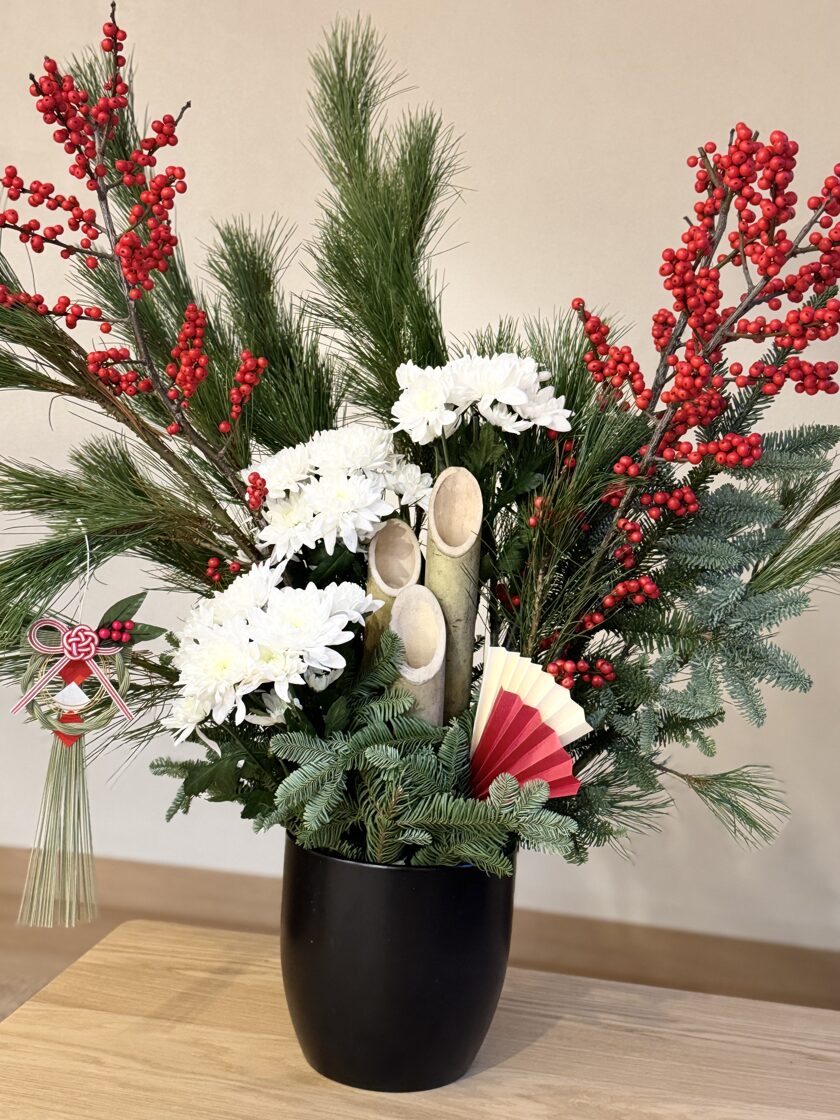
That is why during the New Ye4ar holidays, the pine becomes the main decorative element for Japanese.
Kadomatsu is a decoration made primary of pine and complemented with bamboo and fern.
Sometimes the composition is enhanced with blooming plum branch, mandarins and other elements, creating a unique bouyuet with special meaning.
In Japan, mandarins symbolize family longevity, while ferns represent purity and fertility.
Kadomatsu is ceremonially placed at the entrance of homes and temples.
Ussually, it is displayed as a single decoration or in pairs.
Sacred Lotus – the Ancient Beauty Secret of Japan
Discover the true treasure of skin and hair care — the extract of Nelumbo nucifera, the sacred nut-bearing lotus.
The lotus:
· soothes and revitalizes the skin,
· boosts microcirculation and tones,
· reduces inflammation,
· brightens and restores youthful radiance.
Rich in vitamins C and B and minerals Ca, Mg, Fe, Zn.
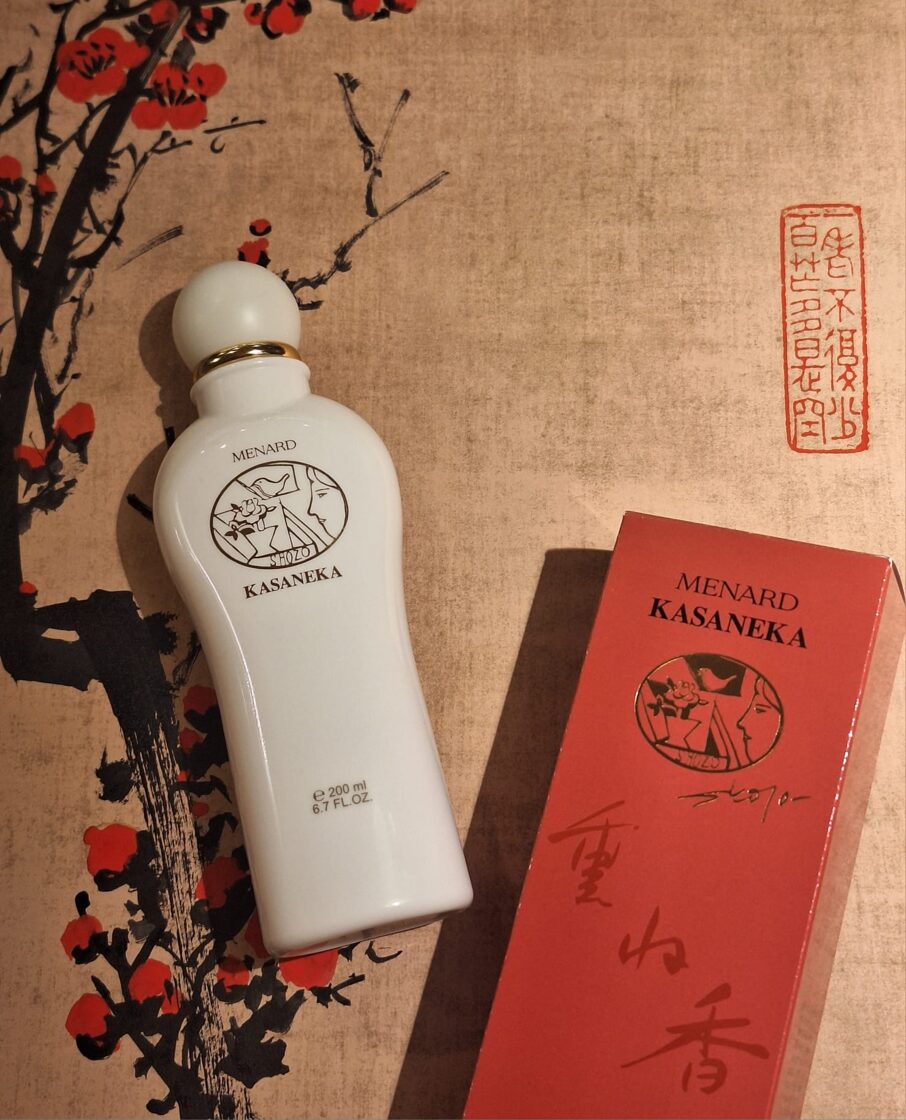
The essential oil of the nut-bearing lotus is known for its magically feminine aroma — a natural aphrodisiac that enhances irresistible allure. That’s why it is used in luxury perfumery.
Experience the pride of our Japanese studio — the “KASANEKA” body emulsion with sacred lotus extract. It moisturizes, tones, and embraces you in a delicate, seductive fragrance that leaves a memorable impression.
“KASANEKA” — the elegance of your skin and the aura of femininity.
Eye care in Japan.
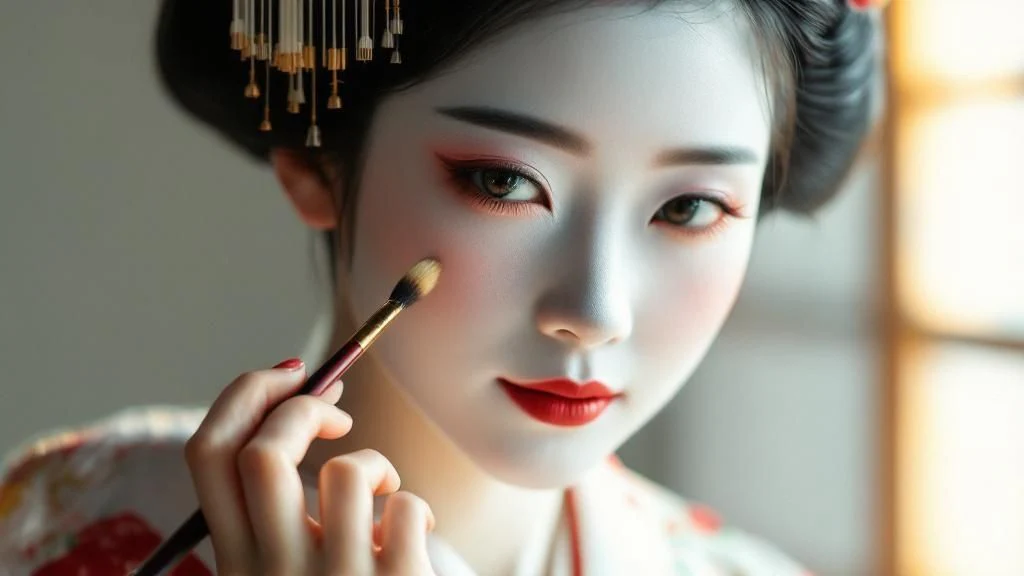
1. Cleansing Ritual
Japanese women believe that youth begins with clear skin.
Delicate, gentle cleansing without rubbing.
2. Serums and eye cream
3. Eye massage
The Japanese believe that good blood flow is the key to a fresh look.
A gentle massage around the eyes is an essential part of their skincare routine.
Shiatsu Technique
The massage is performed morning and evening.
4. Cooling and contrast
Cooling patches
Green tea compresses
5. Care is a ritual of calm
Do everything with attention, respect, and aesthetics!
Little bit about pumpkin in Japan
Pumpkin in Japan it is a symbol of the lightness of dreams.
- The largest pumpkin in the world - the Guinness Book of Records lists a pumpkin from Japan weighing over 300 kg.
- Pumpkin (kabocha in Japanese) is believed to maintain health and stamina.
- In Japan, pumpkins were used as sake flasks.

The butternut Japanese pumpkin cookies recipe!
Wabi Sabi beauty ritual
When self-care becomes a meditation, not a rushed checklist.
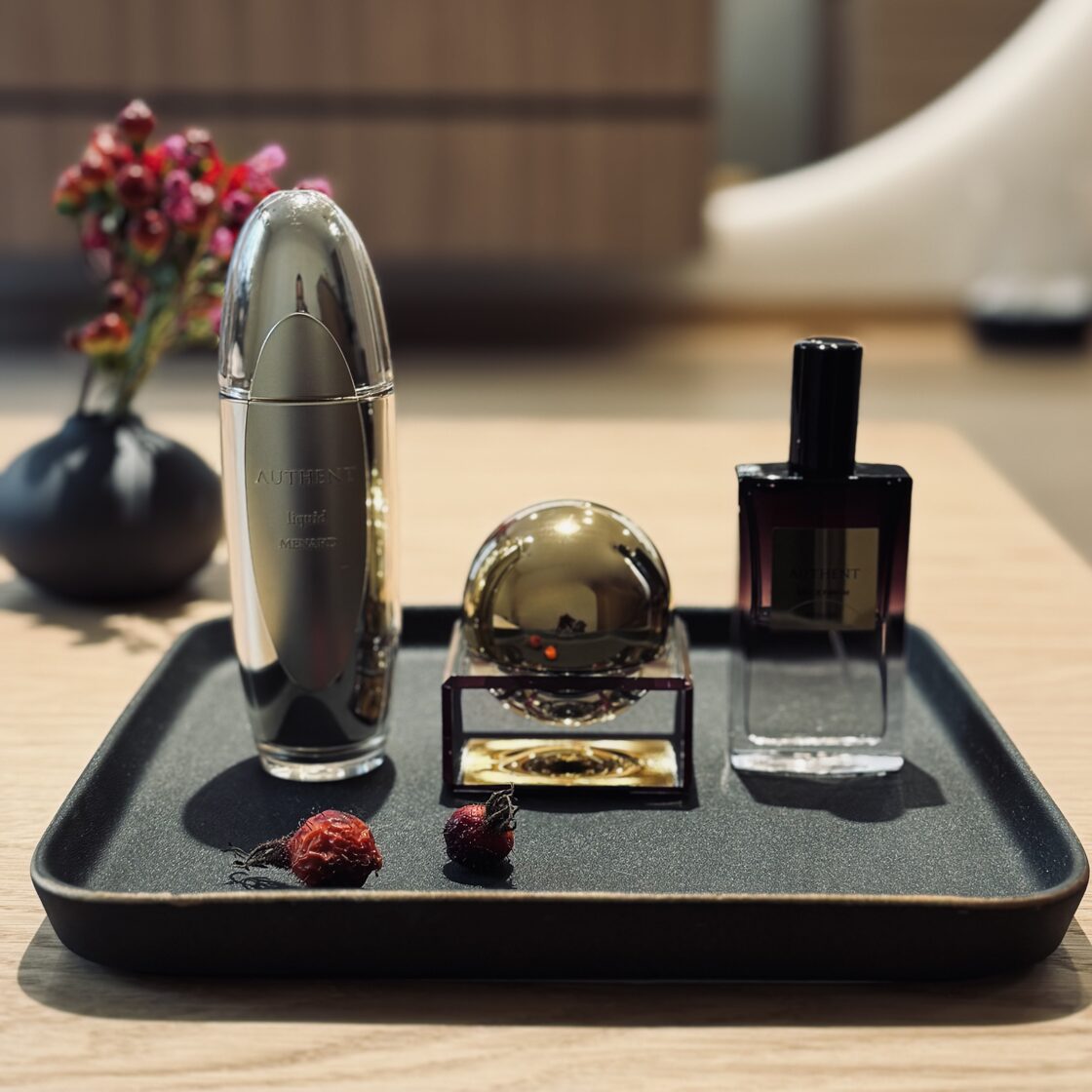
The AUTHENT line offers high-quality, effective skincare that's easy to use!
The harmony of the modern, technological world with nature and human needs. The best skincare for maintaining beautiful, youthful skin.
Real Japan smells of chrysanthemum and incense
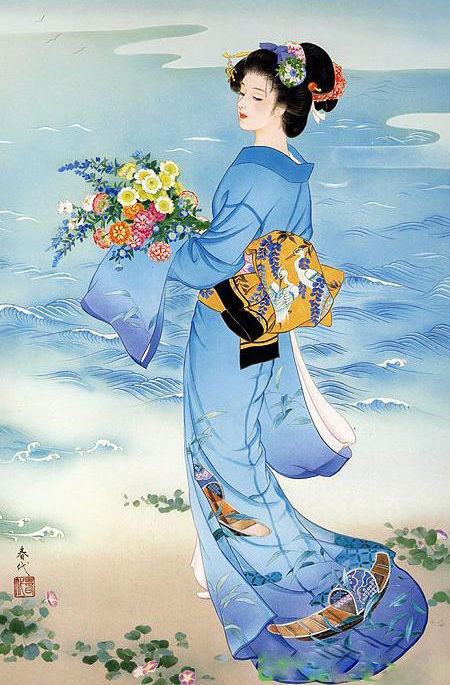
菊の節句 (Kiku no Sekku) Chrysanthemum Day
Every year on September 9.
Symbol: longevity, purity, nobility, health.
Chrysanthemum is the imperial flower in Japan:
The Emperor's coat of arms is a golden chrysanthemum with 16 petals.
Considered a flower of longevity and spiritual strength.
Blooms in September - symbol of autumn.
How it is celebrated?
The holiday is not celebrated as widely as, for example, Tanabata or New Year, but it has many traditional elements:
Chrysanthemum exhibitions.
They are held in gardens, temples, botanical parks.
Whole figures and scenes are formed from blooming chrysanthemums.
Chrysanthemum sake (菊酒 kikusake)
Chrysanthemum petals are added to sake - it is believed that this purifies and prolongs life.
Traditions and amulets
In the old days, chrysanthemums were rubbed on the body or petals were put in the bath.
Girls wore jewelry with chrysanthemums as a symbol of purity
Japanese beauties used dew from chrysanthemums to preserve the youth and beauty of the face.
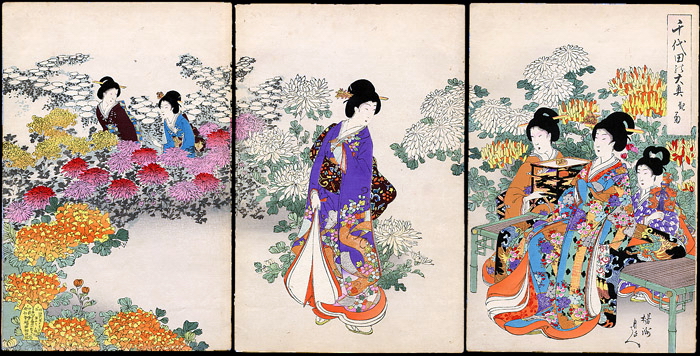
In the city of Nara,
where chrysanthemums bloom and smell,
Buddhas have been living since ancient times
Matsuo Basho
The history of mascara in Japan
Before the 20th Century: Traditional Makeup
In ancient Japan (Heian, Kamakura, Edo periods), mascara as we know it today did not exist.
Instead, other beauty practices were common:
Women, especially from the nobility, plucked their eyebrows and painted them high on the forehead.
Eyelashes were sometimes darkened using soot or ink (sumi), especially in theatrical makeup (e.g., Kabuki).
Makeup symbolized status rather than Western-style attractiveness.
Beauty ideals emphasized pale skin, blackened teeth (ohaguro), rather than long lashes.
20th Century: Western Influence and the Introduction of Mascara
After the Meiji Restoration (1868), Japan began adopting Western customs, including fashion and cosmetics.
In the 1920s–30s, the first Western cosmetic products appeared in Japan, including mascara, imported by foreign companies.
Japanese brands began adapting Western products to local preferences.
1950s–70s: Growing Popularity
After World War II, especially during the 1950s and 60s, Japanese women began using mascara more actively.
The image of “big eyes” became popular, inspired by Hollywood actresses and later, anime.
Mascara styles of the time aimed for bold, doll-like lashes.
1980s–2000s: Technological Advancements and Local Style
Japanese brands began producing high-quality mascaras, including waterproof formulas.
Japanese mascara gained global recognition for its precise brushes, smudge resistance, and excellent lash separation.
The Gyaru trend emerged: young women favored dramatic false lashes and bold, often colorful mascara.
2000s to Present: Natural Looks and Innovation
Recent trends include:
Natural volume mascaras
Formulas with lash-care ingredients
Multi-step mascara systems (primer + mascara)
Innovations like fiber brushes and tubing mascara (forming tiny tubes around lashes) became popular.
Waterproof and humidity-resistant formulas are crucial due to Japan’s climate.
A shift toward minimalist makeup brought focus to enhancing natural beauty.
Global Impact
Japanese mascaras are now exported worldwide and praised for:
Compact, convenient packaging
Elegant design
High performance and durability
TANABATA

Tanabata (七夕) — also known as the Star Festival, is a Japanese celebration that takes place on July 7. It is based on an ancient Chinese legend about two lovers — Orihime (the weaver star, Vega) and Hikoboshi (the cowherd star, Altair), who are allowed to meet only once a year — on the night of Tanabata, if the Milky Way does not separate them.
Main Elements of Tanabata:
The Legend
Orihime was the daughter of a celestial king and wove beautiful fabrics along the banks of the Heavenly River (the Milky Way). She met and fell in love with the cowherd Hikoboshi. After their marriage, they neglected their duties, so Orihime’s father separated them, allowing them to meet only once a year — from the night of July 6 to the morning of July 7.
Tanzaku (短冊)
The main symbol of the festival is colorful paper strips, on which people write wishes, poems, or dreams, then hang them on bamboo branches. Bamboo is considered a plant that connects the heavens and the earth.
Decorations
The branches are decorated not only with tanzaku but also with paper figures — such as cranes, nets, kimono, and other origami, each symbolizing something (health, success, love, knowledge).
Celebrations
In cities like Sendai and Hiratsuka, vibrant festivals are held with parades, fireworks, dances, and many decorations. Streets are adorned with paper streamers and lanterns.
Skin Types, How to Identify and Care for Them Properly
Understanding your skin type is essential for choosing the right skincare and cosmetics.
Using the wrong products can lead to irritation, dryness, inflammation, or premature aging. In this article, we’ll explore the main skin types, their characteristics, and how to care for them properly.
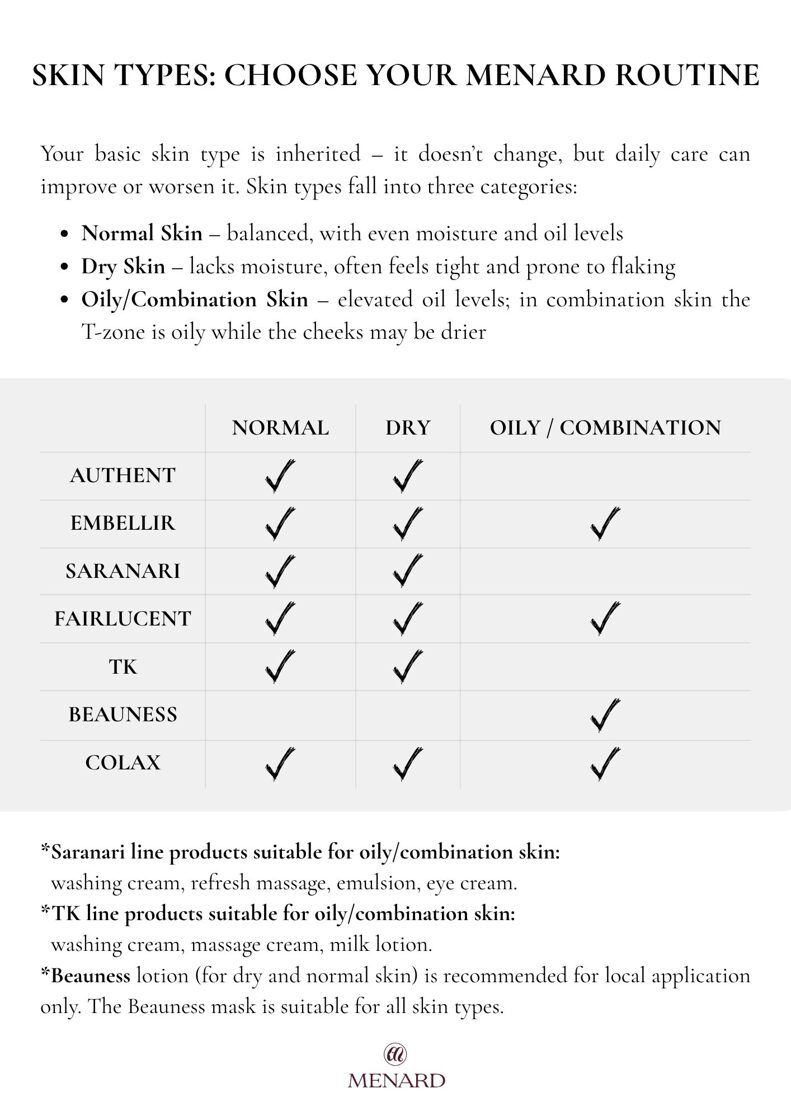
Main Skin Types

Normal Skin
Even skin tone
Neither too dry nor too oily
Small, barely visible pores
No flakiness or breakouts
Care Tips:
Normal skin requires gentle maintenance: mild cleansing, light hydration, and sun protection.
Dry Skin
Tightness after cleansing
Flaking, sensitivity
Dull complexion
Fine lines may appear earlier
Care Tips:
Dry skin needs rich, nourishing care: creamy cleansers without alcohol or sulfates, moisturizers and overnight masks.
Sunscreen is essential year-round.
Oily Skin/Combination Skin
Shine, especially in the T-zone
Enlarged pores
Prone to acne and blackheads
Thicker texture
Care Tips:
Use products that regulate oil and fight bacteria.
Lightweight foams.
Avoid over-drying — it can trigger more oil production.
How to Identify Your Skin Type
Try the blotting sheet test:
Clean your face and don’t apply any skincare.
After 2–3 hours, press a blotting paper or tissue onto your skin.
Analyze the results:
Oily all over – oily skin
Oily only in the T-zone – combination skin
No oil, skin feels comfortable – normal skin
Dry tissue, tight feeling – dry skin
Knowing your skin type is the key to healthy, radiant skin!
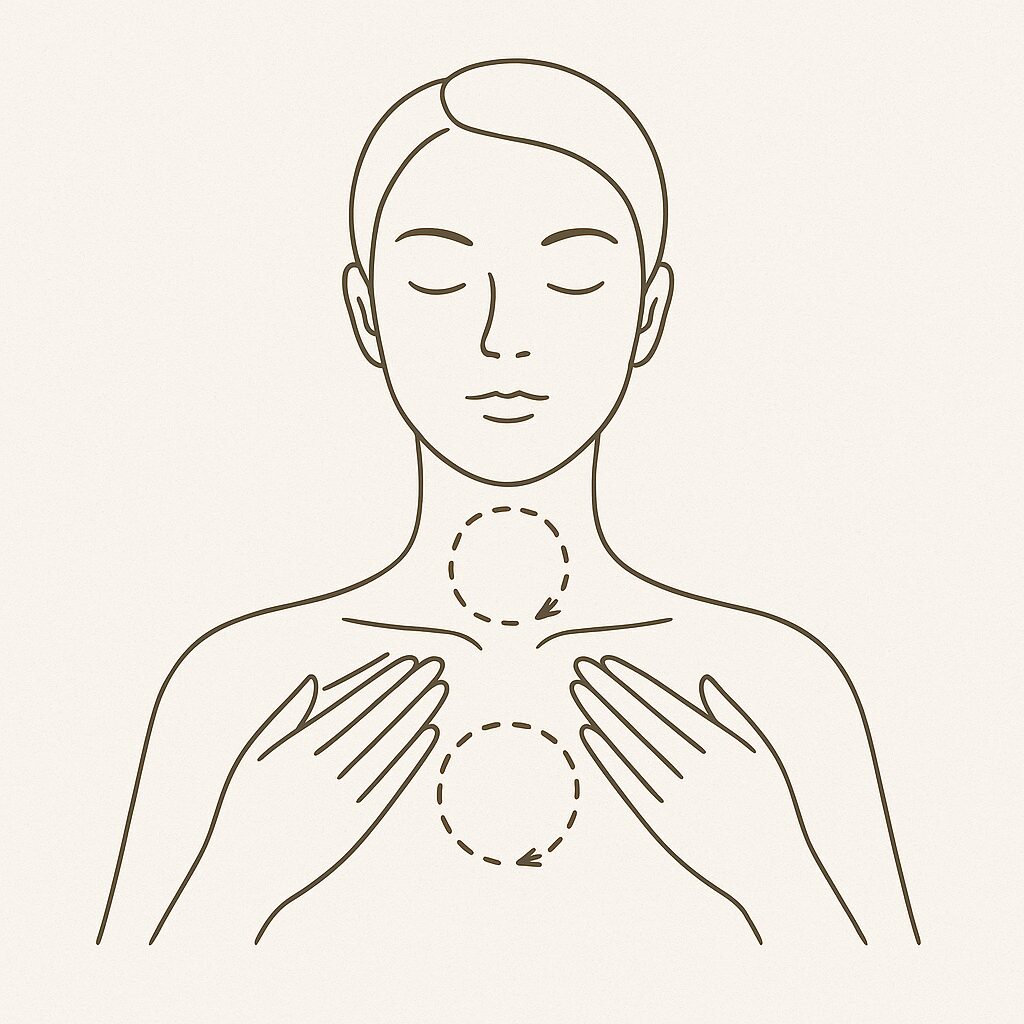
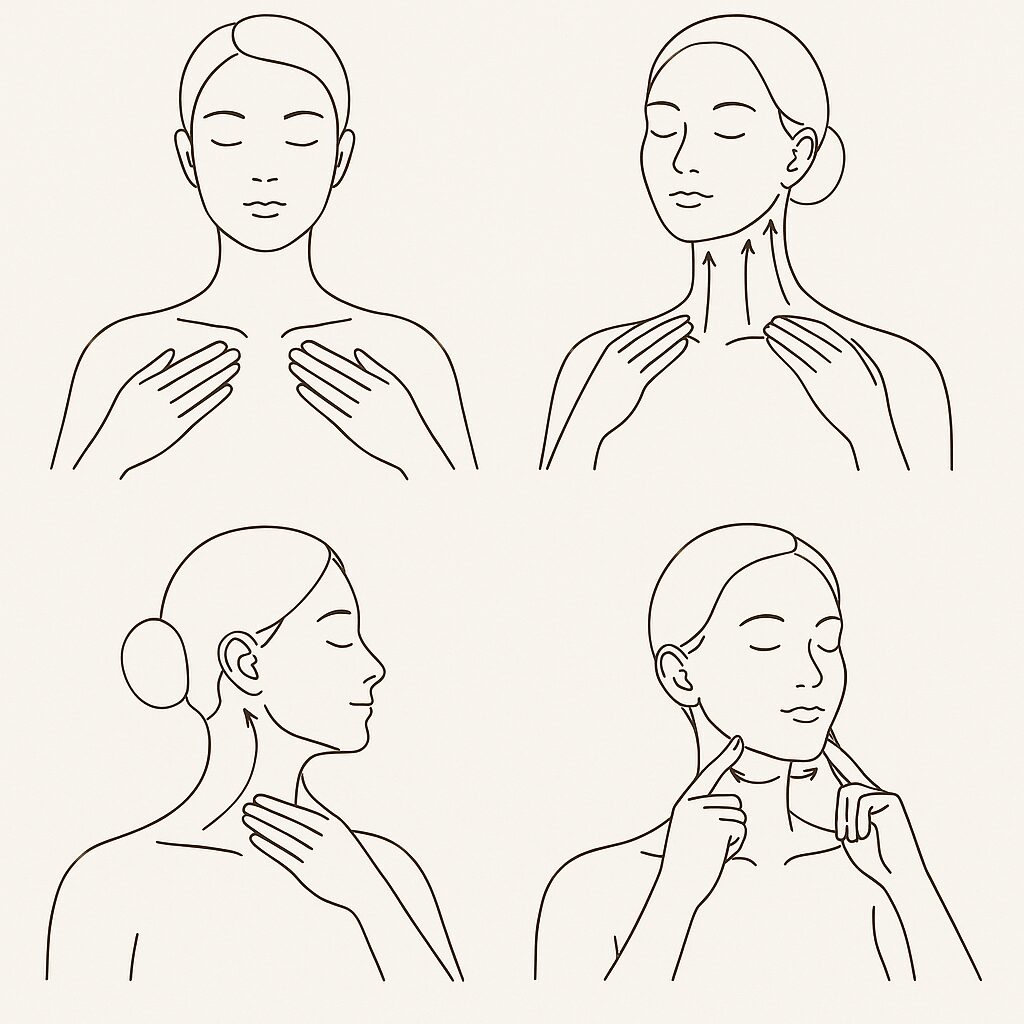
Benefits of Neck and Décolleté Massage
Benefits of Neck and Décolleté Massage
1. Rejuvenating Effect
• Improves blood circulation and lymphatic drainage, promoting skin cell renewal.
• Increases skin tone, reduces sagging, and enhances facial contours.
• Stimulates collagen and elastin production, helping to smooth fine lines.
2. Prevention of Swelling and Lymph Stagnation
• Especially useful for those with a sedentary lifestyle or who work at a computer for long hours.
• Relieves heaviness and puffiness in the collarbone and jawline area.
3. Muscle Relaxation and Tension Relief
• Reduces muscle spasms in the neck and shoulder area.
• Helps alleviate tension-related headaches.
4. Prevention of Double Chin
• Stimulates muscle tone and improves lymph flow, helping to maintain a defined facial contour.
5. Improved Skin Condition
• Leaves skin smoother, firmer, and more radiant.
• Enhances absorption of skincare products.
How Often Should You Get a Massage
• For general care / prevention – 1–2 times per week.
• For visible lifting effect / reducing puffiness – A course of 8–10 sessions, every other day or 2–3 times per week.
• After the course – Once a week for maintenance.
Home massage (using hands, roller, or gua sha):
Suitable for daily or frequent use, especially in the evening routine.
Geshi - Japanese summer solstice
Photo from the website: https://www.kvg-kyoto.com/new-stories/nagoshi-no-harai
Unlike Europe or Scandinavia, the summer solstice is not widely celebrated in Japan, however:
This time is associated with seasonal changes, including in traditional medicine and food.
Some temples and shrines may perform purification rituals, especially in June (for example, the Nagoshi no Harae ritual - 夏越の祓).
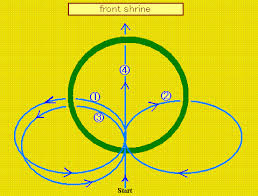
People walk in circles of grass (茅の輪 - Chinowa) at temples to cleanse themselves of illness and misfortune.
This is to prepare for the summer heat and to cleanse the soul and body.
In some regions, the following is eaten on this day:
Chuka men (冷やし中華) - cold noodles.
Okra and soybeans, which symbolize strength and coolness.
Tako (octopus) is popular in Kyoto - octopus is believed to improve health and "attract" good luck.
Chinowa
A large ring of twisted hamao grass (ちがや / kogongrass) is installed at the entrance to the shrine
Diameter - up to 2 meters
How to perform the ritual:
The steps are as follows:
1. Turn to the chinowa and bow. Then start walking with your left foot and walk to the left to face the chinowa again
2. Turn to the chinowa again, bow, and begin to pass, but this time with your right foot. Then turn to the right and go around him to face him again.
3. Once again, facing the chinowa, bow and pass through him with your left foot first, as you did the first time. Turn to the left and face the chinowa one last time.
4. Bow to the ring again and walk straight through it (without turning left or right) with your left foot first. Now you can go and pray in the shrine.
Each time you pass through the ring has a special meaning.
The first time is for dispelling evil, the second is for purification, the third is for protection, and the last is for happiness.
So it's best to keep these thoughts in mind every time you go through it.
Making a miniature Chinowa (茅の輪 - Chinowa)
is not only beautiful, but also very symbolic, especially if you want to bring a little Japanese spirit of purification and harmony into your space.
How to make a miniature Chinowa - Japanese purification ring?
Size:
Diameter: 10 to 30 cm
Step-by-step guide...
1. Collect grass
Ideally - long, thin grass stalks
2. Make a rope
Take a bunch of grass and twist it into a knot, adding new stems as you go
Twist it into a spiral so it is strong but flexible
3. Make a ring
Bend the rope into a ring of the desired diameter
Secure the ends with thread or jute
4. Secure the shape
Tie the ring in three or four places to keep it in shape
Optional: Insert a wire or bamboo ring base inside
5. (optional)
Decorate
Small strips of white paper (shide — 紙垂) — zig-zag purification charms
Pendants or wish notes
Where to hang:
At the entrance to the house - "cleans" incoming energy
On the wall or window - as a symbol of protection and harmony
Initiation rite (mini version)
Even with a small ring, you can perform a home ritual:
1. Visualize yourself mentally passing through the ring 3 times
2. Say the phrase:
「身のけがれを祓い給え」
Mi no kegare wo harai tamae
(Cleanse my body from dirt)
Summer care for the décolleté and neck area: the most often forgotten 15 cm of skin

In summer, we generously apply SPF cream to our face, do masks, moisturize our skin, but… we often forget about the neck and décolleté area.
Meanwhile, this is one of the thinnest and most vulnerable areas, where signs of aging, photodamage, and dehydration appear earlier than on the face.
Facts:
• The skin in this area is thinner, with fewer sebaceous glands → loses moisture faster.
• The neck and décolleté area is almost always open in the summer - exposed to UV radiation, dust and heat.
• Due to insufficient care, wrinkles, folds, pigmentation appear, elasticity is lost.
5 Essential Steps to Neck and Décolleté Care in Summer
1. Cleansing is not just for your face
Use gentle cleansers EMBELLIR washing
2. Moisturizing - every day
Apply moisturizer up to the chest area. AUTHENT neck essence
3. Sun protection - SPF
Every morning - apply SPF to the neck and décolleté area. Reapply throughout the day, especially if you are in the sun. FAIRLUCENT day cream SPF 50
4. Neck SPA
Add 1-2 times a week:
• Gentle peeling HERB MASK
• Masks or patches for the neck area AUTHENT MASK
• Light massage of the neck and décolleté area - this increases tone
5. Night ritual of rejuvenation
At night, it is recommended to use products with a richer texture:
Nourishing essences for the décolleté area AUTHENT neck essence
The neck and décolleté area are an extension of the face.Taking care of these areas is especially important in the summer!Shine every day!
Summer skincare basket!
Skin Care
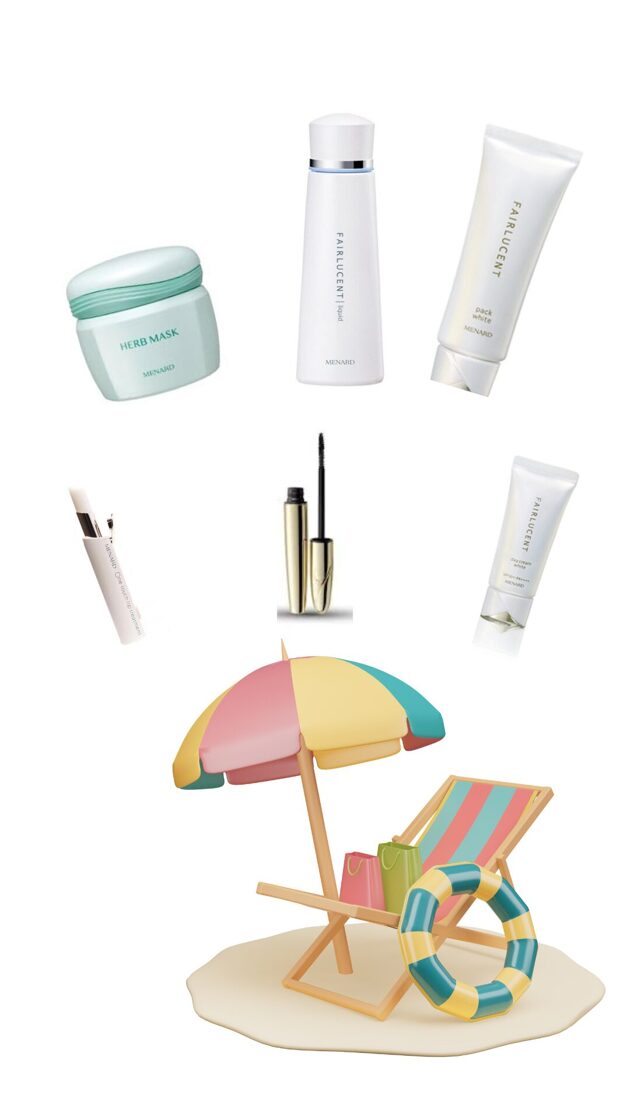
2. Lotion and emulsion with a moisturizing effect
– Refreshes throughout the day, promotes skin regeneration.
Examples: Embellir toner, TK lotion, SARANARI LOTION
3. Double cleansing
– To prevent pores from becoming clogged with SPF products and sweat.
Examples: Embellir Refresh massage + washing cream, Saranari Refresh massage + washing cream, Fairlucent Refresh massage + washing cream, TK cleansing cream + washing cream
4. Scrub (1-2 times a week)
- To prevent pores from becoming clogged with SPF products and sweat.
Makeup (light and long-lasting)
1. Foundation with SPF
– Moisturizing + tone + protection.
2. Waterproof mascara
– To make your eyelashes irresistible in the heat
Examples: Jupier Volume mascara, Jupier Longlash mascara
3. Lip balm
– Moisturizing + protection.
Examples: Jupier lip treatment C (with menthol), Jupier lip treatment N (neutral)
ADD...
- Matifying wipes
Eliminates oily shine without drying out the skin.
- After-sun face mask
Soothes and restores the skin.
Examples: FAIRLUCENT mask, BEAUNESS mask
- Sunscreen hair mist
Protects against fading and dryness.
Examples: Onsensou hair and body mist
We wish you a wonderful and sunny summer!
Reishi mushrooms
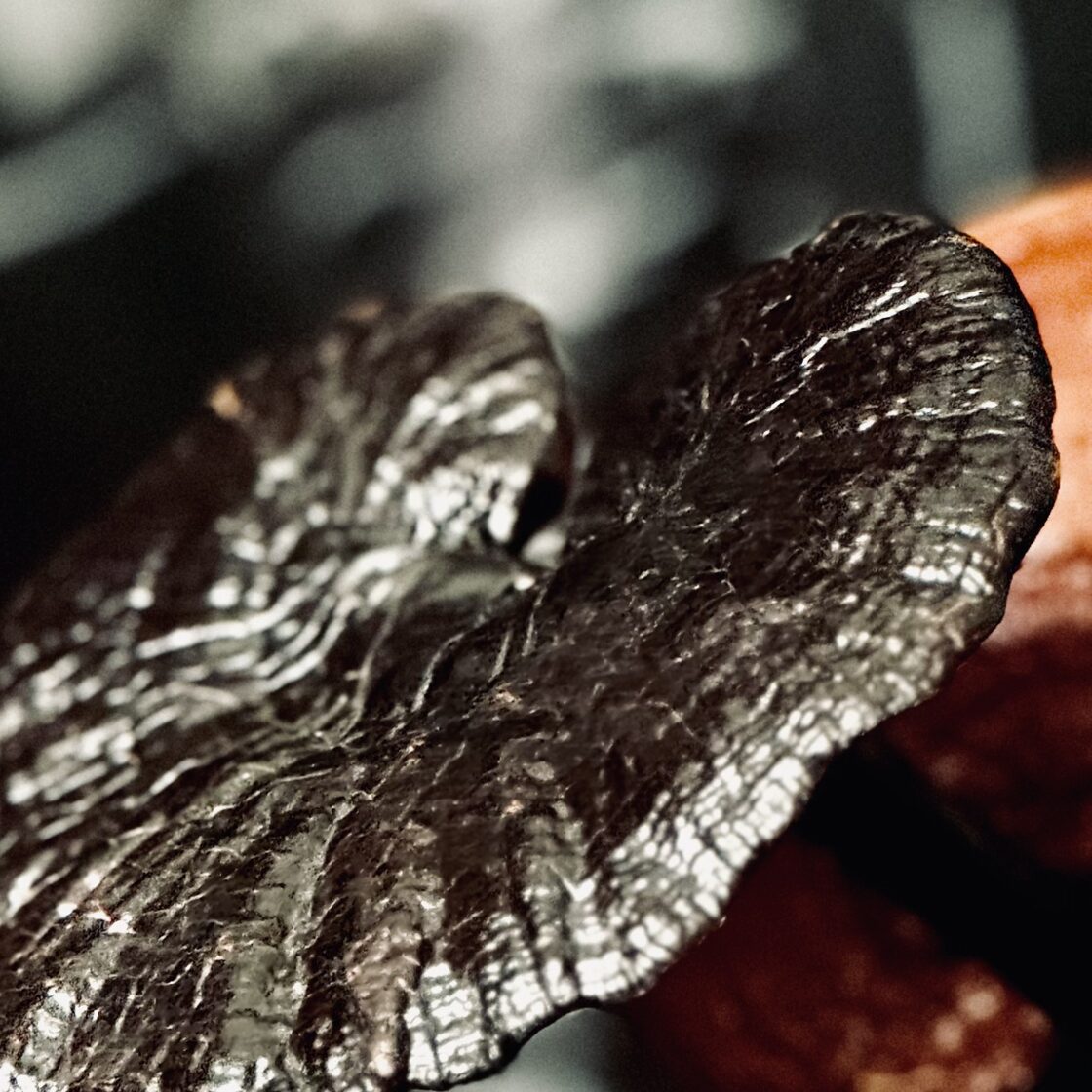
Reishi mushrooms (lat. Ganoderma lucidum, Japanese 霊芝, "reishi") are famous medicinal mushrooms that have long been valued in East Asia for their healing properties.
1. Antioxidant action
Reishi mushrooms are rich in polysaccharides, triterpenoid compounds and beta-glucans, which protect the skin from free radicals and premature aging.
Result: reduced signs of aging, even skin tone, combat dullness.
2. Anti-inflammatory
Reishi reduces inflammation and soothes the skin, making it suitable for sensitive, redness-prone or acne-prone skin.
Result: Reduced irritation, redness and breakouts.
3. Moisturizing and barrier restoration
Beta-glucans in Reishi help retain moisture and strengthen the skin barrier.
Result: moisturized, soft and elastic skin.
4. Lightening and fighting pigmentation
Reishi mushrooms are able to reduce the activity of tyrosinase, an enzyme involved in the formation of melanin.
Result: more even and radiant skin tone, lightening of pigment spots.
5. Adaptogenic effect
At the cellular level, reishi helps the skin adapt to stress, pollution and temperature changes.
Result: strengthening the skin and increasing its resistance to external influences.
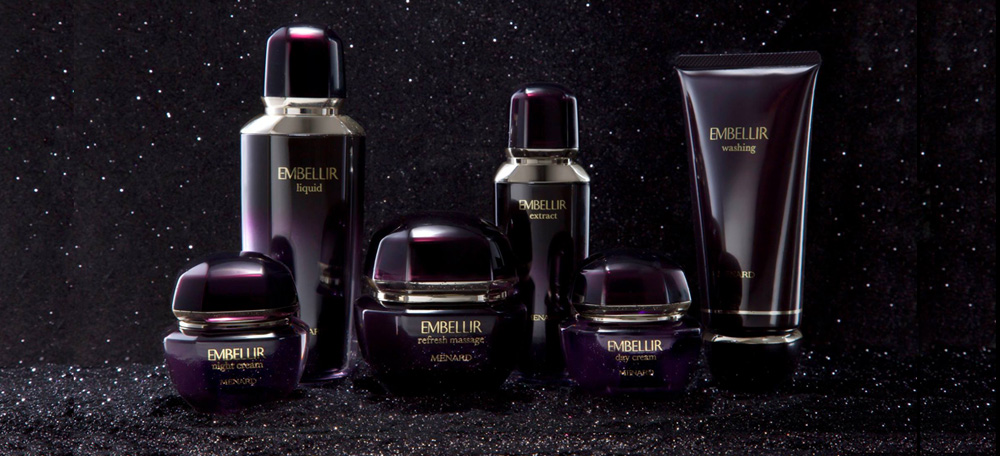
We recommend the EMBELLIR MENARD line, the main ingredient of which is reishi mushrooms.
Thermal springs (Japanese: 温泉 – onsen)
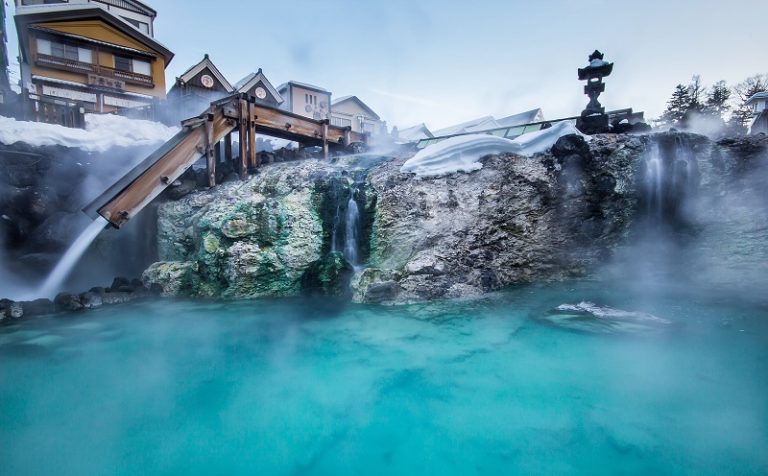
Thermal springs (Japanese: 温泉 – onsen) are an integral part of Japanese culture and rituals for caring for the body and soul. They are formed thanks to Japan’s rich volcanic activity. The country has over 3,000 onsens, each with its own unique water composition, temperature, and healing properties.
Key features of Japanese thermal springs:
• Mineral-rich water: contains sulfur, iron, sodium, calcium, and other elements beneficial for the skin, joints, and overall vitality.
• Health benefits: onsens help with skin conditions, improve circulation, relieve stress and fatigue.
• Purification ritual: before entering the communal bath, it’s customary to shower — a tradition that reflects Japanese values of cleanliness and respect for others.
Famous onsen regions:
• Beppu (Kyushu) – one of the most active and well-known hot spring resorts.
• Hakone – located near Tokyo, popular with both locals and tourists.
• Noboribetsu (Hokkaido) – renowned for its mineral-rich waters.
Cosmetics brand Menard, use thermal spring water in their formulas — in Beauness Line which features water from a special onsen known for its anti-inflammatory and skin-restoring properties.
MIDORI - Greenery Day Celebrations in May (Midori no Hi – May 4th)
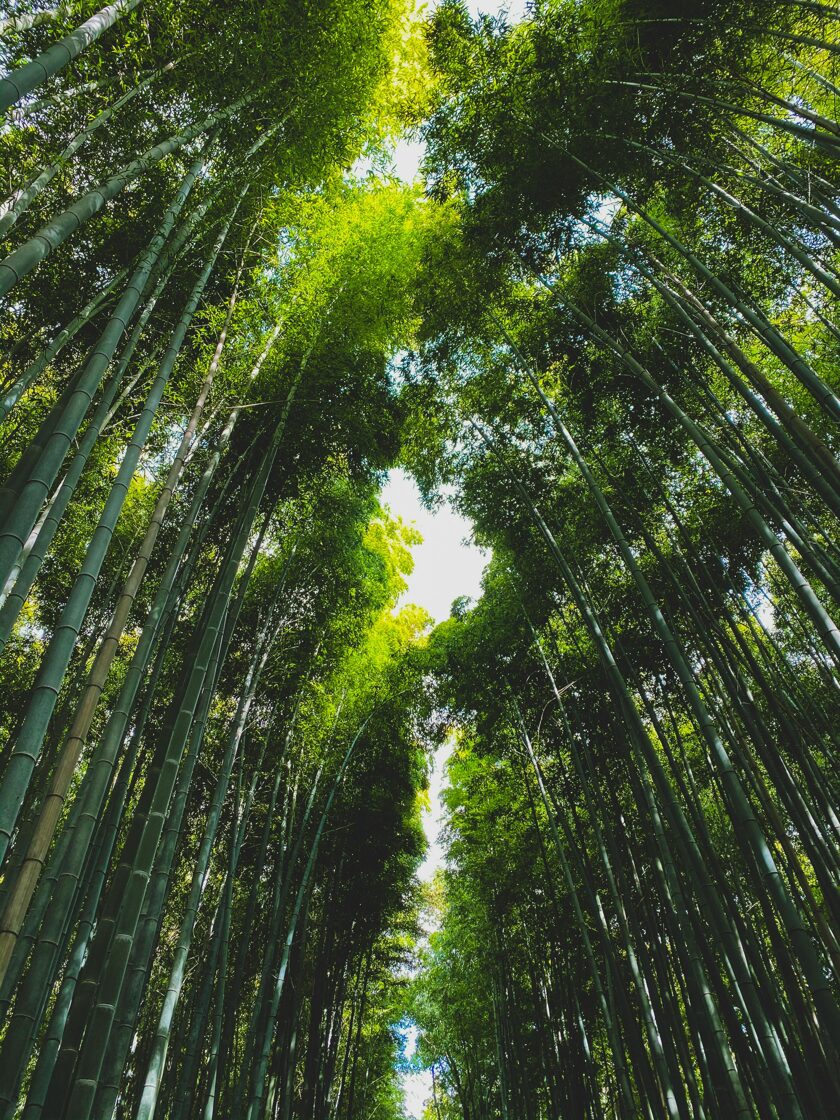 Greenery Day Celebrations in May (Midori no Hi – May 4th)
In Japan, Greenery Day (Midori no Hi) is celebrated on May 4th as part of the Golden Week—a series of national holidays in late April and early May. This day is dedicated to appreciating the beauty of nature, giving thanks for its blessings, and recognizing the importance of environmental protection.
Here’s how Greenery Day is usually celebrated:
1. Nature walks – People go out to parks, gardens, mountains, or the seaside. It’s an ideal day for picnics, relaxing outdoors, and enjoying green landscapes.
2. Free admission to parks and gardens – Many botanical gardens, zoos, and national parks offer free entry or hold special events, including tours and workshops.
3. Tree planting and environmental cleanup – Schools and local communities organize tree-planting activities or environmental clean-up events to honor nature.
4. Educational programs – Lectures, exhibitions, and themed activities are held, especially for children, to teach the importance of nature and ecology.
5. Traditional elements – Although the holiday is relatively modern, in some regions it is blended with local customs, such as rituals of gratitude to nature spirits or trees.